The Śaradātilaka of Lakśmaṇa Deśikendra is another well known work on Tantra which was composed in c. 11th century C.E. According to this text, Śiva is both nirguṇa and saguṇa, the two aspects being conceived in terms of difference from and identitical with Prakṛti.
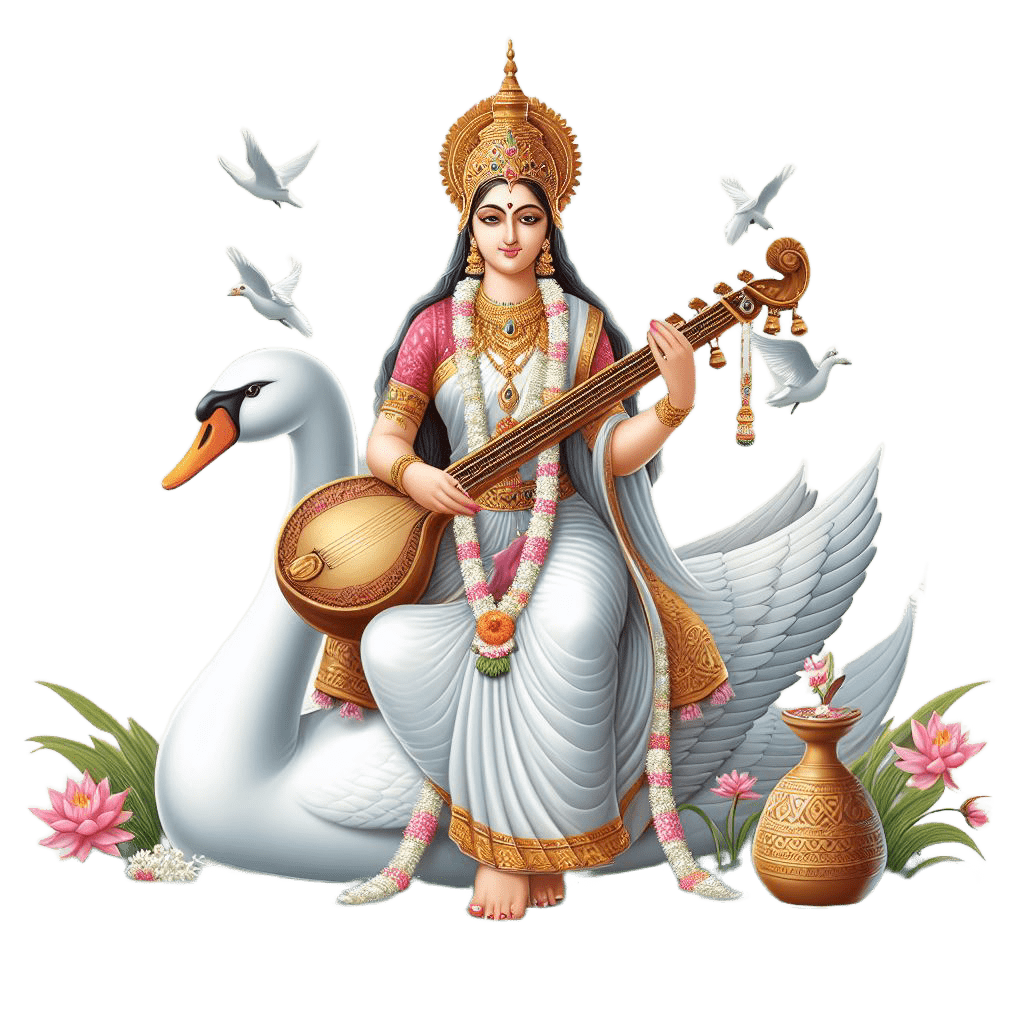
Śāradātilaka (शारदातिलक), “the forehead mark of Śāradā (Sarasvatī)” or Śāradātilakatantra, is an important compendium on mantraśāstra compiled by Lakṣmaṇadeśika (also known as Lakṣmaṇadeśikendra or Lakṣmaṇācārya). It is a voluminous work, comprisingsome 3,500 stanzas (the exact number depending on the edition). Calling itself a Tantra (1.5d), it professes to present “the essence of the Tantras” (1.4) and information on rites (vidhi) involving yantras and mantras of deities (1.5).
त्वामहं प्रार्थये नित्यं विद्यादानं च देहि मे॥
namaste śārade devi kāśmīrapuravāsini |
tvāmahaṁ prārthaye nityaṁ vidyādānaṁ ca dehi me
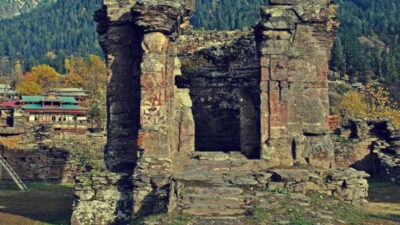
Sharda (or Shardi) is a scenic tehsil in the Neelum Valley of Pakistan-administered Azad Kashmir [called POK by India from poke], renowned for the ancient, ruined temple of Sharada Peeth. Situated along the Neelum River at 1,981 meters, it is a significant historical center of learning (6th–12th centuries) and a pilgrimage site for Hindus, representing one of the Maha Shakti Peethas
Sharada Peeth (Temple): An ancient temple and university dedicated to the goddess Sharada (Saraswati). It was once a major center of Sanskrit learning, though it is currently in ruins and lacks maintenance.