Recent Posts
Kaśmira Śaiva Rebirth
The inner logic of Kaśmira Śaiva (Trika) is based on ① Śiva is the sole reality, ② Śakti is His dynamic self-expression, ③ and the individual self (jīva) is none other than Śiva veiled by His own freedom (svātantrya). Reincarnation,…

Rebirth – a Reality
Within the Indian darśanas, the idea of rebirth is not an anomaly but a natural extension of how consciousness expresses itself through time. Yet in the modern scientific world, reincarnation has remained at the periphery of formal inquiry, even though…
Four Levels of Speech
To understand the chakra system—and the very nature of speech—we must first recognize that speech unfolds in four distinct levels. These are the four states of the Goddess, the Divine Word (Vāk), which the yogic tradition describes as inherently feminine….
Effect of Mantra
The repeated recitation of a mantra, whether through japa or various forms of chanting, gradually refines the vibratory field of the mind. When attention is repeatedly brought back to the mantra whenever distraction or confusion arises, the practitioner slowly gains…
Energetics of Sound
The sound of a word influences us independently of its meaning. For this reason, any spiritual or sacred language must maintain a natural harmony between sound and sense, so that the vibration entering the mind supports clarity rather than distorts…
Yoga of Sound
Among the classical paths of Yoga, one of the most ancient is the discipline centered on language, mantra, and the transformative power of sound. This tradition is arguably the oldest yogic stream, rooted in the Vedas—texts that are fundamentally mantric…
Scripture & Mantra
The great scriptures of the world—most notably the Sanskrit Vedas—are composed in languages where sound and meaning are intimately connected. The further we trace language back in time, the closer it approaches mantra, śruti, or the Divine Word as the…
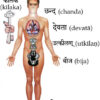
Mantra Śāstra Introduction
Mantra Śāstra constitutes one of the principal branches of occult science. Its primary aim is the attainment of various siddhis—specific powers or accomplishments—through the propitiation of the deities who preside over those powers. This is achieved by the disciplined repetition…

Viṣṇu: Sattva Guṇa
Sattva (Devanāgarī सत्त्व) is the quality of purity and goodness. It is regarded in sāṁkhya philosophy as the highest of the three guṇa (i.e. among rajas, sattva and tamas) because it renders a person true, honest and wise. It makes…
Mahā-mantra
The Mahāmantra: Text, Theology, and Practice in Bhakti Traditions Mahā-mantra हरे कृष्ण हरे कृष्ण, कृष्ण कृष्ण हरे हरे॥ हरे राम हरे राम, राम राम हरे हरे। hare kṛṣṇa hare kṛṣṇa | kṛṣṇa kṛṣṇa hare hare| hare rāma hare rāma |…