Category: Sanskrit
Sanskrit Traditional Table
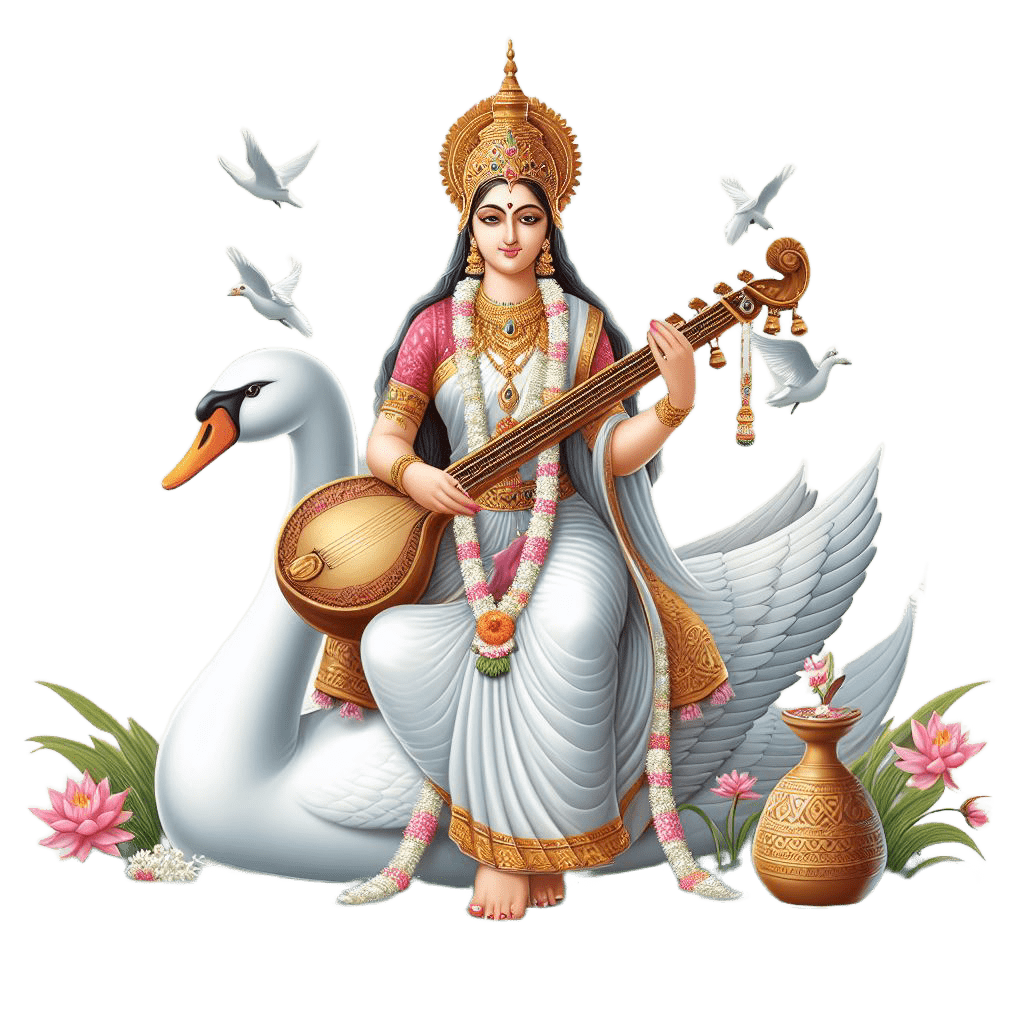
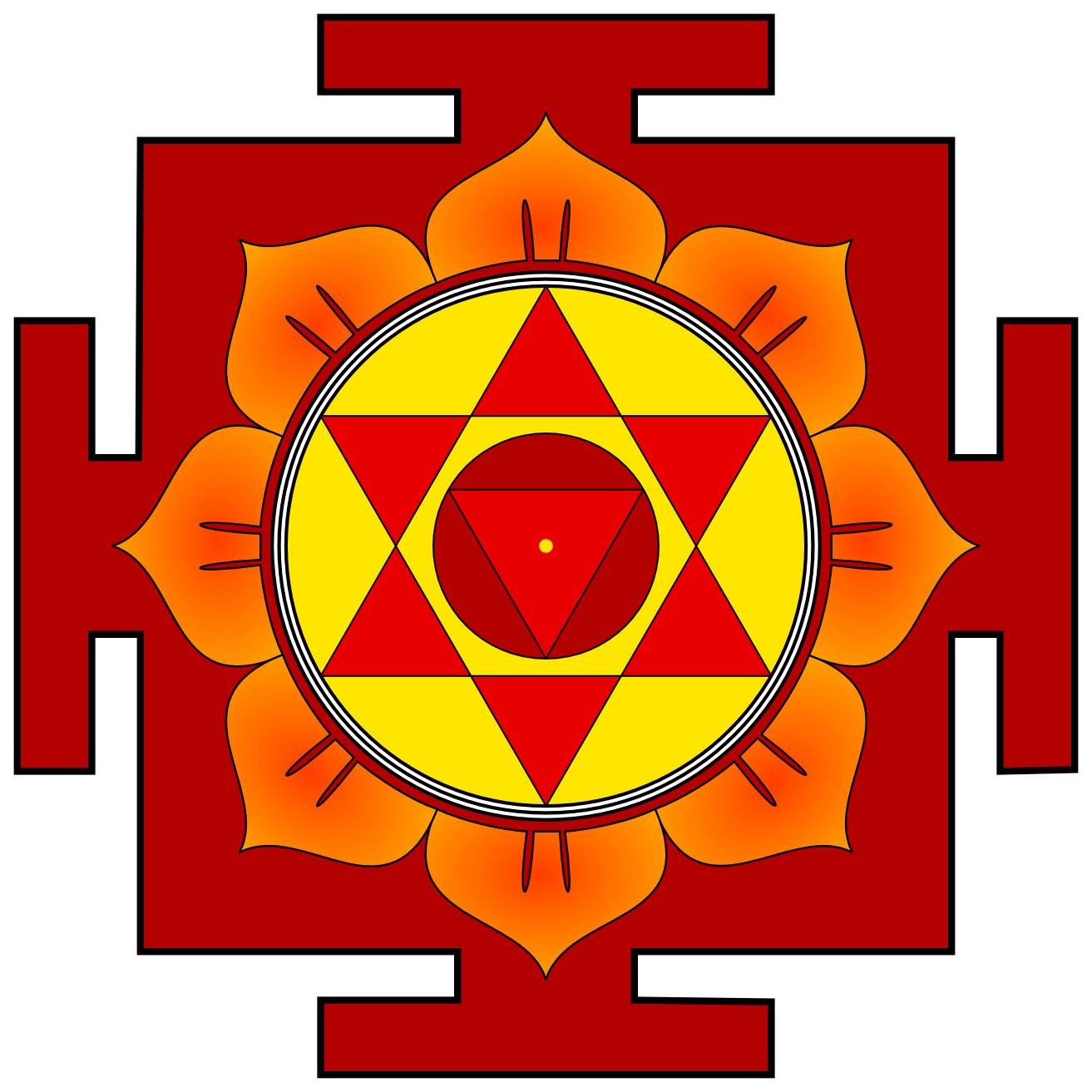
Sanskrit has 52 alphabets which form the 52 parts of the body of Mother Divine, Durgā. These are called the 52-śakti pīṭha or pilgrimages of Durgā. These are the 52 sounds which were produced when her body descended to earth,…
Sanskrit Western Table
Western experts in Sanskrit feel that this is a better table presenting the Sanskrit Alphabet for understanding the sounds. But those of us who have learnt in the east realise that there is a definite reason for the manner in…
Right Pronunciation
Sanskrit is highly respected as our sacred, divine, mother language. It is the mother of all languages in the world. It is important to spend a little time to learn at least the basics of pronunciation so that you can…
Vowels
Vowels called svara (स्वर) in Sanskrit, have the power to manifest all sound. In Sanskrit, the consonants cannot manifest on their own and require the help of a vowel to manifest. Sanskrit has sixteen vowels, together called ṣoḍaśa svara. The…
Consonants
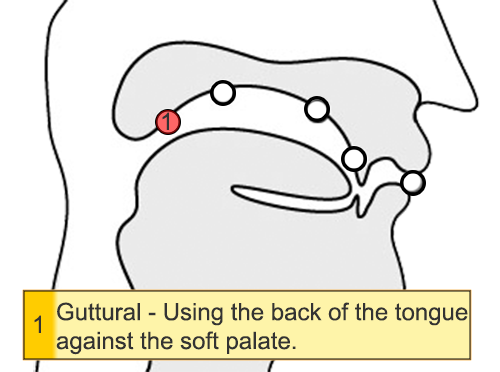
The ‘Body’ Consonants The body is said to be made of five elements, the pañca bhūta. These five elements are composed of five minute particles of creation called pañca-tanmātrā. The first to be created was ākāśa bhūta, which is symbolised…
Semi-Vowels, Sibilants
The ‘Mind’ Semi-Vowels, Sibilants The minds of creatures are developed to different extent and accordingly, they can be classified as capable of thinking in planar directions » eight plane directions for all beings indicated by eight alphabets य (ya) to…
अक्षर Letters
Without अक्षर aksara (letters) there are no Śabda (शब्द), Pada (पद), Dhātu (धातु), Prātipadika (प्रातिपदिक), Avyaya (अव्यय) … words are generally referred to as Śabda (शब्द), while a complete, inflected word ready for use in a sentence is called a…